Exploring Atmospheric Visual Worldbuilding Techniques
- Cemre Bayatlier
- 2 days ago
- 5 min read

Worldbuilding is an essential aspect of storytelling, especially in genres like fantasy and science fiction. It allows creators to construct immersive environments that captivate audiences. One of the most effective ways to achieve this is through atmospheric visual worldbuilding techniques. This blog post will delve into various methods to create rich, engaging worlds that resonate with readers and viewers alike.
Understanding Atmospheric Visual Worldbuilding
Atmospheric visual worldbuilding refers to the practice of crafting environments that evoke specific emotions and reactions from the audience. This technique goes beyond mere descriptions of landscapes or settings; it involves creating a mood that enhances the narrative.
The Importance of Atmosphere
Atmosphere plays a crucial role in storytelling. It sets the tone and influences how the audience perceives the characters and events. A well-crafted atmosphere can:
Enhance Emotional Engagement: The right atmosphere can draw readers into the story, making them feel the tension, joy, or sorrow experienced by the characters.
Establish Context: It provides a backdrop that helps to contextualize the narrative, making it more relatable and believable.
Create Immersion: A vivid atmosphere can transport the audience to another world, allowing them to escape reality and fully engage with the story.
Techniques for Creating Atmospheric Visuals
Creating an immersive atmosphere requires a combination of techniques. Here are some effective methods to consider:
1. Color Palette
The choice of colors can significantly impact the mood of a scene. Different colors evoke different emotions:
Warm Colors: Reds, oranges, and yellows can create feelings of warmth, excitement, or danger.
Cool Colors: Blues, greens, and purples often evoke calmness, sadness, or mystery.
Monochromatic Schemes: Using shades of a single color can create a cohesive and focused atmosphere.
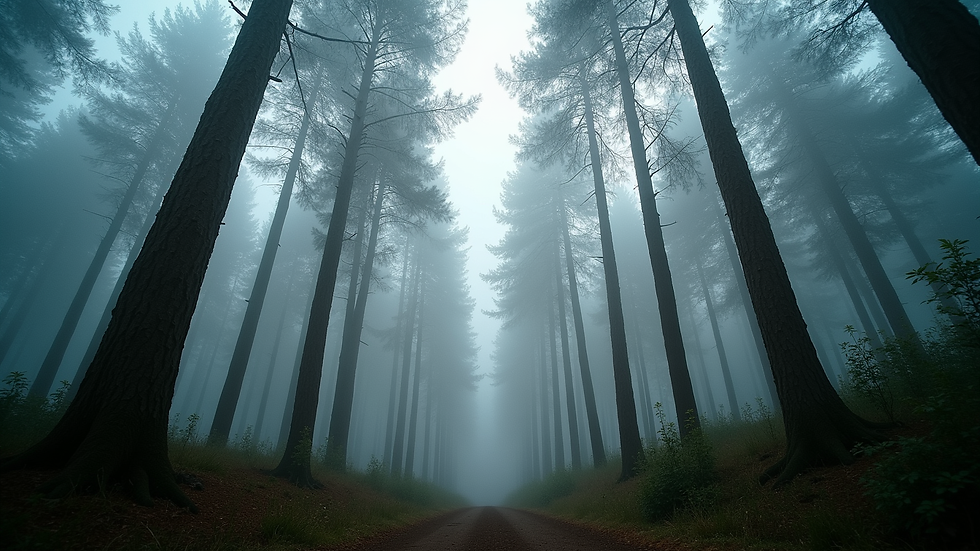
For example, a scene set in a dark forest might use deep greens and blacks to evoke a sense of foreboding, while a sunny meadow could utilize bright yellows and greens to convey joy and freedom.
2. Lighting
Lighting is another critical element in visual worldbuilding. It can dramatically alter the perception of a scene:
Natural Light: Soft, natural light can create a serene atmosphere, while harsh lighting can evoke tension or discomfort.
Shadows: The use of shadows can add depth and intrigue, suggesting hidden dangers or secrets.
Color Temperature: Warm lighting can create a cozy feel, while cool lighting can evoke a sense of isolation or eeriness.
Consider a scene in a haunted house. Dim, flickering lights combined with deep shadows can create an unsettling atmosphere that keeps the audience on edge.
3. Textures and Materials
The textures and materials used in a setting can enhance the sensory experience:
Rough Textures: Stone walls or weathered wood can evoke a sense of age and history.
Smooth Surfaces: Glass or polished metal can create a modern, sleek atmosphere.
Natural Elements: Incorporating elements like plants, water, or earth can ground a scene in reality and evoke a connection to nature.
For instance, a bustling marketplace might feature vibrant fabrics, rough cobblestones, and the scent of spices, creating a rich sensory experience for the audience.
4. Sound Design
While primarily a visual medium, sound plays a crucial role in worldbuilding. The right sound effects can enhance the atmosphere:
Ambient Sounds: Background noises like rustling leaves, distant chatter, or flowing water can create a sense of place.
Music: A well-chosen score can evoke emotions and set the tone for a scene.
Silence: Sometimes, the absence of sound can be just as powerful, creating tension or highlighting a moment.
Imagine a scene set in a quiet library. The soft rustle of pages turning and the distant ticking of a clock can create a peaceful yet tense atmosphere.
5. Symbolism and Imagery
Using symbolism and imagery can deepen the audience's connection to the world:
Recurring Motifs: Elements that appear throughout the story can create a sense of unity and reinforce themes.
Imagery: Vivid descriptions can paint a picture in the audience's mind, making the world feel more tangible.
For example, a recurring image of a withered tree might symbolize decay and loss, enhancing the emotional weight of the narrative.
Case Studies: Successful Atmospheric Worldbuilding
To illustrate these techniques in action, let’s examine a few successful examples from literature and film.
Example 1: "The Lord of the Rings"
J.R.R. Tolkien's "The Lord of the Rings" is a masterclass in atmospheric worldbuilding. The vivid descriptions of Middle-earth create a rich tapestry of landscapes, from the serene Shire to the dark, foreboding Mordor.
Color Palette: The Shire is depicted with lush greens and bright colors, evoking a sense of peace and happiness, while Mordor is characterized by dark grays and reds, creating a sense of danger and despair.
Lighting: The use of light and shadow throughout the journey enhances the emotional stakes, with dark, shadowy scenes in Mordor contrasting with the bright, hopeful scenes in Rivendell.
Example 2: "Blade Runner"
Ridley Scott's "Blade Runner" is renowned for its atmospheric visuals. The film's dystopian setting is brought to life through:
Lighting: Neon lights and rain-soaked streets create a moody, futuristic atmosphere.
Textures: The gritty, worn-down environments reflect the decay of society, enhancing the film's themes of isolation and humanity.
Example 3: "The Night Circus"
Erin Morgenstern's "The Night Circus" employs atmospheric worldbuilding to create a magical experience. The circus itself is described with rich imagery and sensory details:
Sound Design: The sounds of the circus, from the laughter of children to the distant music, create an immersive experience.
Symbolism: The recurring motif of black and white tents symbolizes the duality of magic and reality, enhancing the story's themes.
Practical Tips for Implementing Atmospheric Techniques
Creating an immersive atmosphere requires careful planning and execution. Here are some practical tips to help you implement these techniques in your own worldbuilding:
1. Start with a Mood Board
Creating a mood board can help you visualize the atmosphere you want to convey. Gather images, colors, and textures that resonate with the feelings you want to evoke. This can serve as a reference throughout your writing or design process.
2. Use Descriptive Language
When writing, focus on using descriptive language that appeals to the senses. Instead of simply stating that a place is dark, describe the shadows that creep along the walls and the musty smell of damp earth. This will help readers feel as though they are experiencing the world firsthand.
3. Experiment with Different Techniques
Don’t be afraid to experiment with various techniques to find what works best for your story. Try combining different color palettes, lighting styles, and textures to create a unique atmosphere that enhances your narrative.
4. Seek Feedback
Share your worldbuilding with others to gain insights into how effectively your atmosphere is conveyed. Feedback can help you identify areas for improvement and refine your techniques.
5. Stay Consistent
Once you establish an atmosphere, maintain consistency throughout your work. This will help create a cohesive experience for your audience, making the world feel more believable and immersive.
Conclusion
Atmospheric visual worldbuilding is a powerful tool for storytellers. By carefully crafting the mood and environment of your narrative, you can create a rich, immersive experience that resonates with your audience. Whether through color palettes, lighting, textures, or sound design, the techniques discussed in this post can help you build a world that captivates and engages.
As you embark on your worldbuilding journey, remember to experiment, seek feedback, and stay true to the atmosphere you wish to convey. The world you create can transport your audience to new realms, making your story unforgettable.


Comments